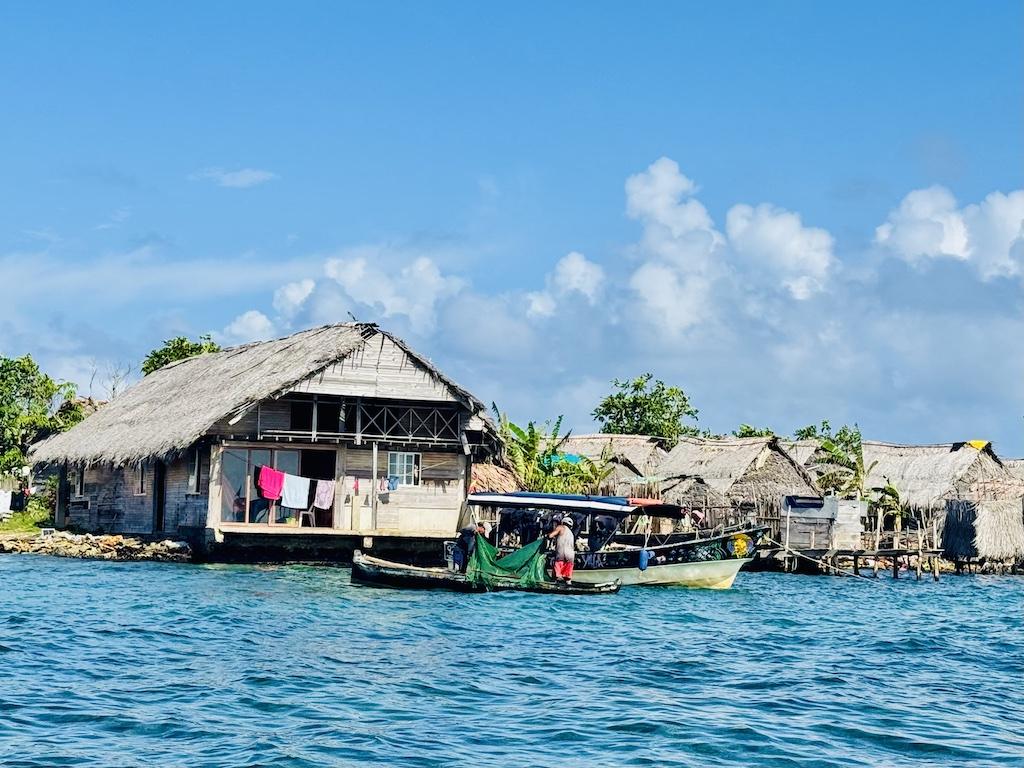
A cultural tour of the San Blas Islands is the best way to see the authentic lives of the Guna Yala people who inhabit these magical islands in Panama. I wanted an immersion into the current life on the islands, so I chose a 3-day/2-night visit with a focus on the traditional culture of the Guna community. Victor Perez, the founder of LOCALINPTY, arranged the cultural visit. Victor is a well-respected tour operator from the Guna Yala nation who is committed to introducing the genuine life of the islands to outsiders.
Posts may contain links to products and services I love. I may make a small commission from them, at no extra cost to you. Thank you for supporting my blog. Visit the privacy policy for more information.
Types of Tours to the San Blas Islands
The San Blas Islands are a stunning archipelago of more than 350 tropical islands scattered along Panama’s Caribbean coast. They are an extremely popular tourist destination in Panama for their scenic Caribbean island beauty and the friendly Guna Yala communities. Scores of people visit each day.
Typical Tour of the San Blas Islands
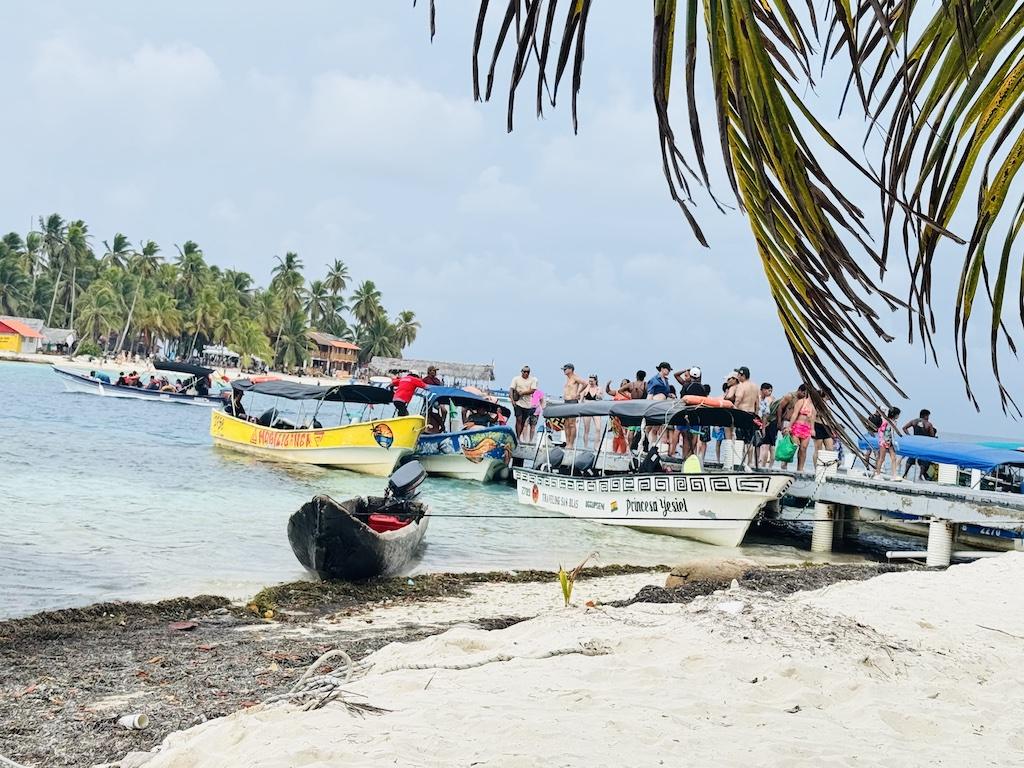
Many people visit the islands on a day trip from Panama City. They are picked up at 5 am at their hotel and ride in a 4×4 vehicle on steep jungle roads that twist through dense rainforest-covered hills. After about 4 hours, you reach the port on the Caribbean coast. From there, a panga boat holding up to 15 people shuttles the visitors to several tourist islands.
The tourist islands lack a community of Guna people living there. Instead, they usually have a beach bar, a restaurant, hammocks, and simple accommodations for overnight visitors. I experienced several tourist islands on the last afternoon of my trip.
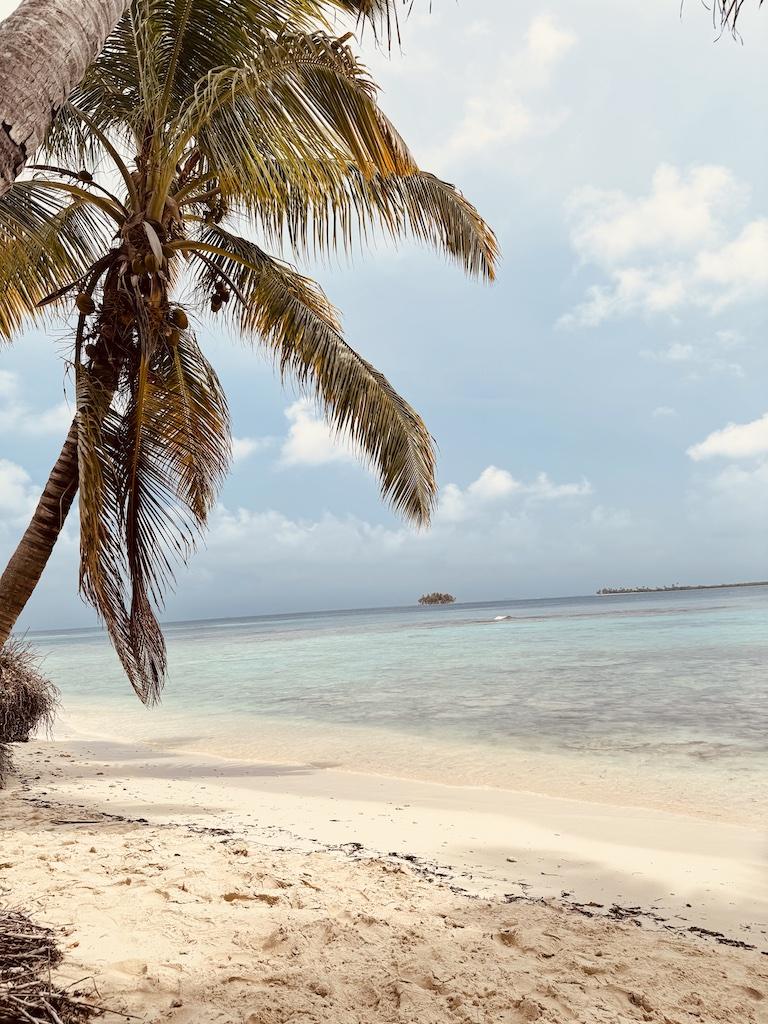
From my experience on these islands, visitors have a few hours to swim, snorkel, and relax on the swings or hammocks. Many grab a drink and hang out in the water or on the beach. Many more people arrive by boat until it gets crowded. The tropical beach experience on a sunny, sandy island isn’t unique. You can find a similar experience on any of the thousands of islands dotting the Caribbean Sea.
The uniqueness of Guna Yala lies in the culture of the people who inhabit this archipelago. Therefore, while I understand that many tourists are keen for an idyllic beach trip, seeking a cultural dimension offers a deeper connection to the islands and their people.
Cultural Tour of the San Blas Islands
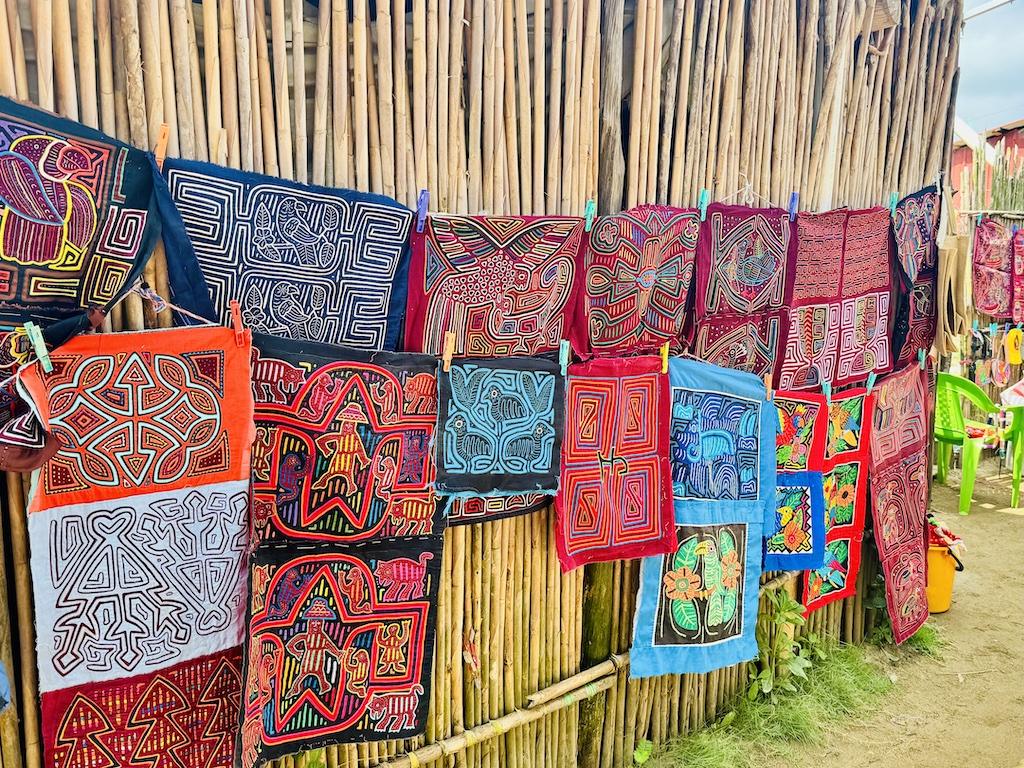
A cultural tour of the San Blas Islands focuses on the everyday life of the locals. You are still surrounded by gorgeous turquoise water and sandy beaches, but the islands have traditional Guna communities and are not visited by tourist boats. You will have the chance to interact with the islanders to enjoy their friendliness. Maybe a Guna woman will give you a lesson in sewing their traditional mola textiles. Maybe the youngsters will proudly show you their school. Or you will meet the fishermen who supplied your dinner and listen to their stories of free diving over 80 feet for the spiny lobster you enjoyed the night before. Each encounter is spontaneous and authentic.
While not for everyone, a trip focused on the culture of Guna Yala is very different from the cookie-cutter excursions that island-hop between postcard-perfect beaches for tourists to eat, drink, swim, and take selfies.
Who are the Guna Yala People?
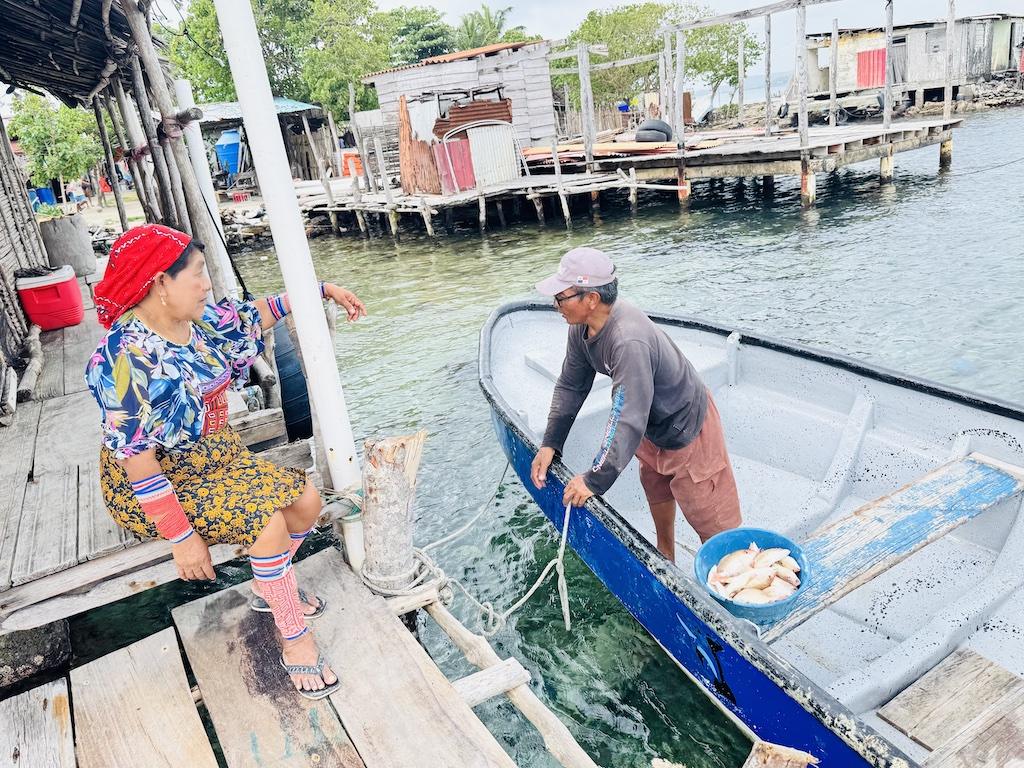
The San Blas Islands are the autonomous homeland of the Indigenous Guna people. Their territory is officially called Guna Yala. The Guna have successfully preserved much of their language, traditions, and self-governance while resisting large-scale outside development. Island life revolves around community, fishing, coconut harvesting, and strong cultural traditions rather than resorts or commercial tourism.
The Guna have a fascinating history of independence. In 1925, they led the Guna Revolution against Panamanian government control, helping secure the autonomy they still maintain today. Their political system combines traditional leadership with many decisions made collectively within the community. Every Guna village I visited had a community meeting house where the island inhabitants gathered nightly for shared decision-making.
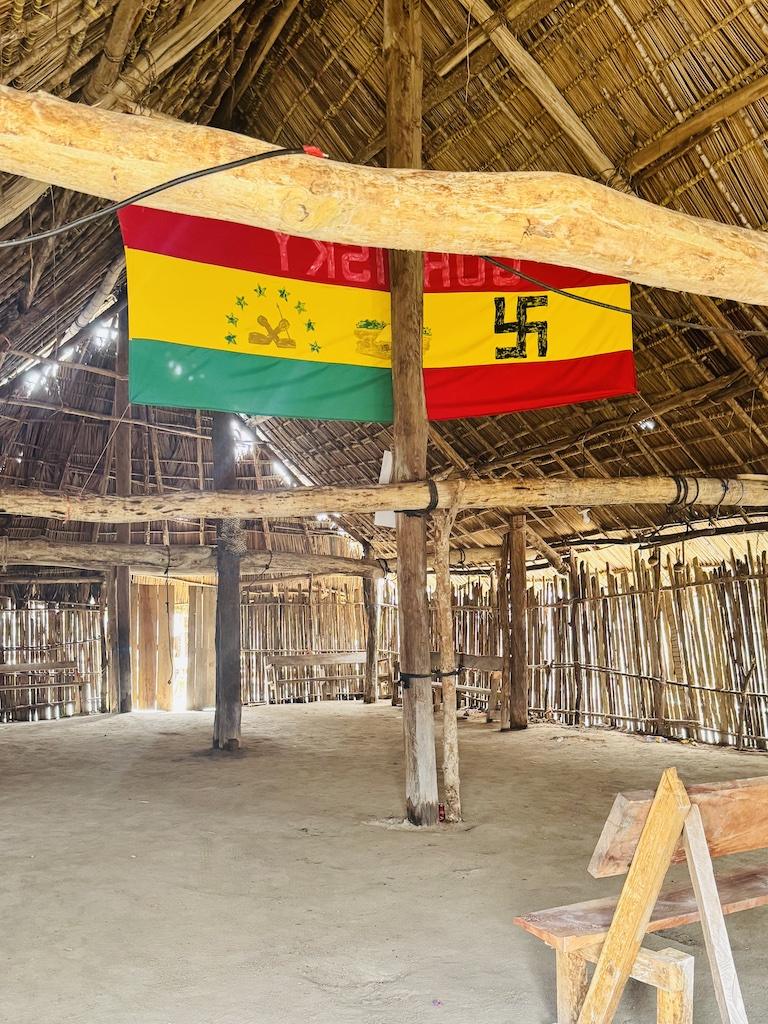
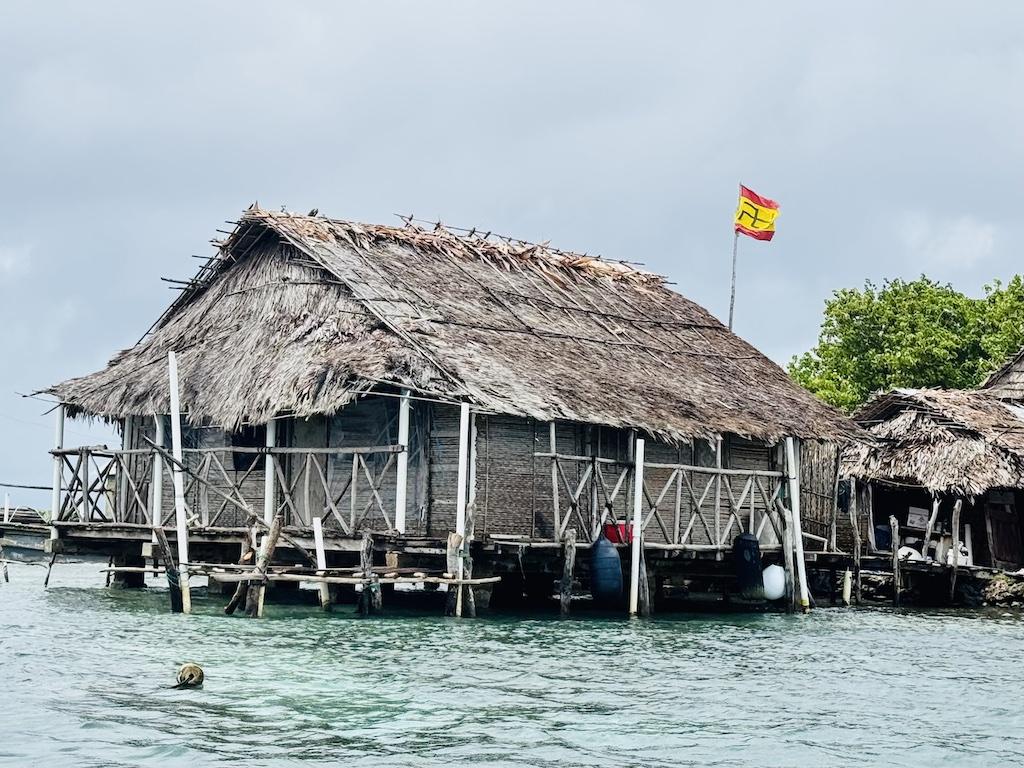
Many people are curious about the flags they see in Guna Yala. The traditional flag features horizontal bands of red and yellow, with a black hooked symbol in the center resembling a swastika. The flag was adopted after the 1925 revolution, so it predates usage by the Nazis. The arms of the symbol stand for the mountain, the sky, the land, and the sea. Later, a regional flag was developed. Most people fly both flags in deference to the powerful symbol of Indigenous identity, resistance, and self-rule in Guna Yala.
Highlights of a Cultural Tour of the San Blas Islands
I met my local guide, Mr. G., at the port. His real name is Glomina, but he goes by Mr. G. He is a good friend of Victor and provided an incredible introduction to Guna culture. Mr. G. is a fun-loving, generous Guna native who provides an incredible experience and education about Guna life on the islands.
We visited the first island where Mr. G lives. The island has a water system where water is piped under the ocean to the island. People from other islands come to get the water as it is a precious commodity. We visited Mr. G‘s home, a traditional compound with a garden with bananas, oranges, hibiscus, and other fruits. One house is reserved for cooking over the fire. The other house is for sleeping.
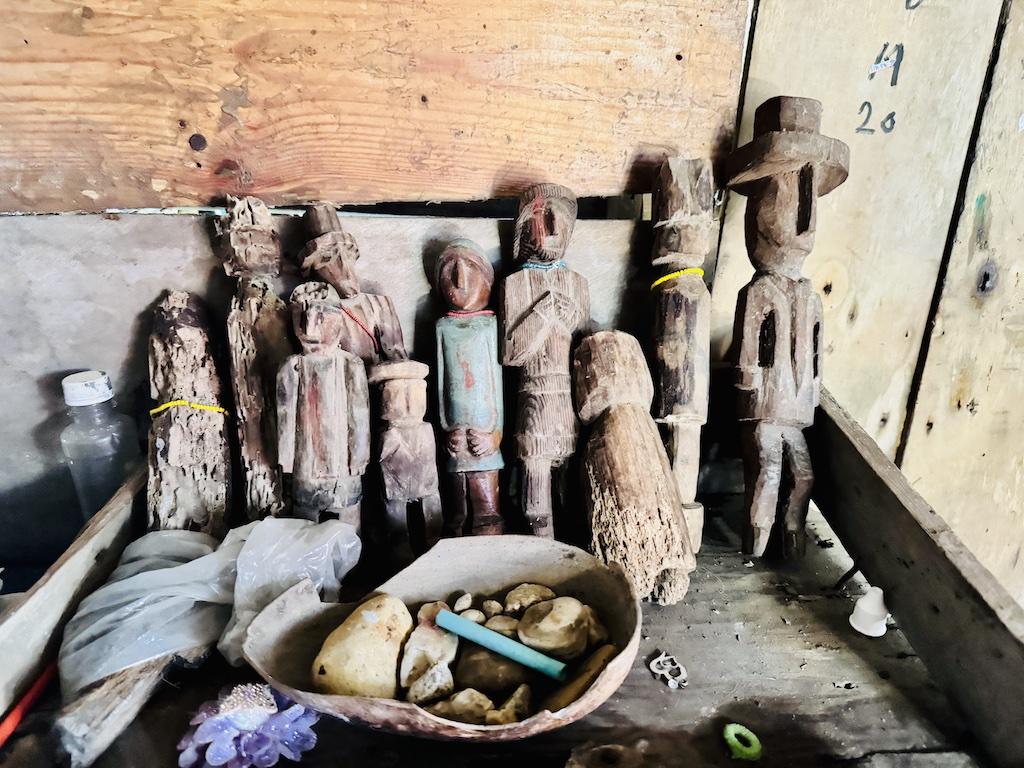
Mr. G showed me the nuchus displayed predominantly in his family’s house. Nuchus are the traditional healing and protective wooden dolls carved by the Guna. Once carved, the healing doll is brought to a shaman, who imbues the nuchu with a good spirit to ward off evil. After the patient has been cured, used nuchus are often kept and handed down through generations.
Day One of the Tour
I stayed on the island of Wichub Wala, which is Victor’s home island. His parents’ house was next to my accommodations, and his mom made the delicious, typical meals I ate. I stayed in a traditional house with a thatched roof and very porous walls to let the ocean breeze come in. It was actually quite comfortable after I worried about being way too hot.
Nuedi was the first Guna word Mr. G. taught me. It’s kind of like the aloha of Guna speech, meaning thank you, I’m fine, and all is good. It was a great icebreaker in meeting the people of Wichub Wala Island.
At the end of the island was an oceanfront bar/restaurant and a general store, which served as a community meeting space for people to socialize. The locals were very friendly and interactive. One man showed me songs on his phone and asked me what music I wanted to hear. They liked that I picked out Bob Marley.
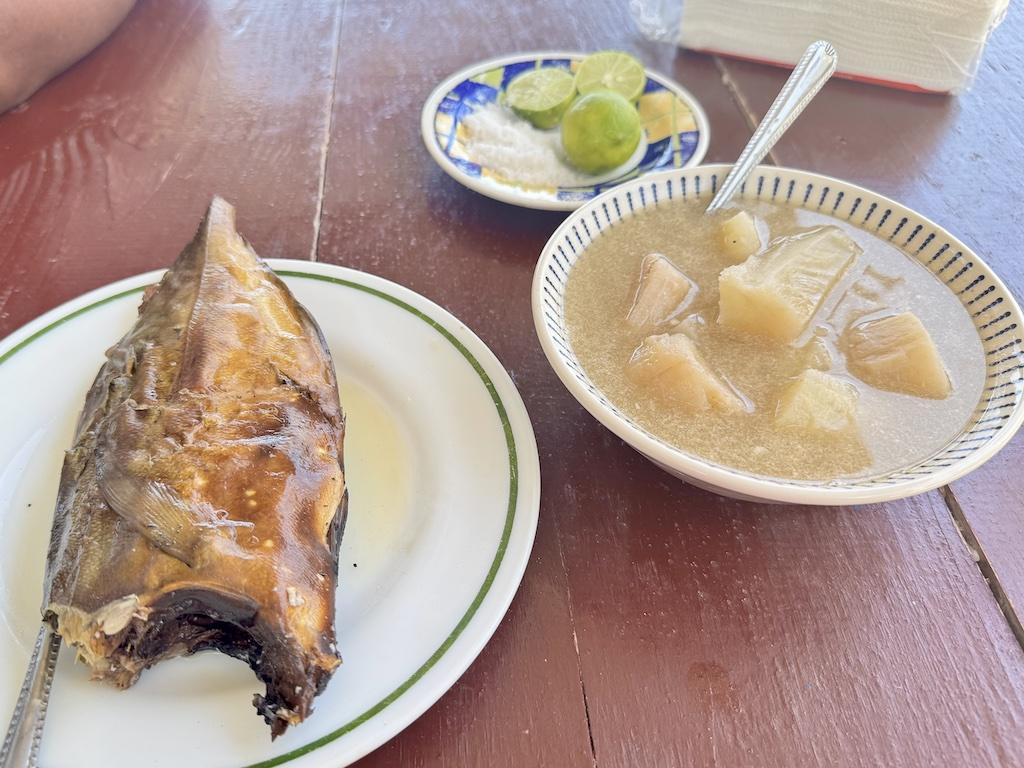
After a typical lunch of banana/yucca soup and smoked fish, we took the launch over to a nearby island. The snorkeling here was the best of the trip. The reef wasn’t broken up like it was on the tourist islands with all the boat traffic.
Paddling a native canoe
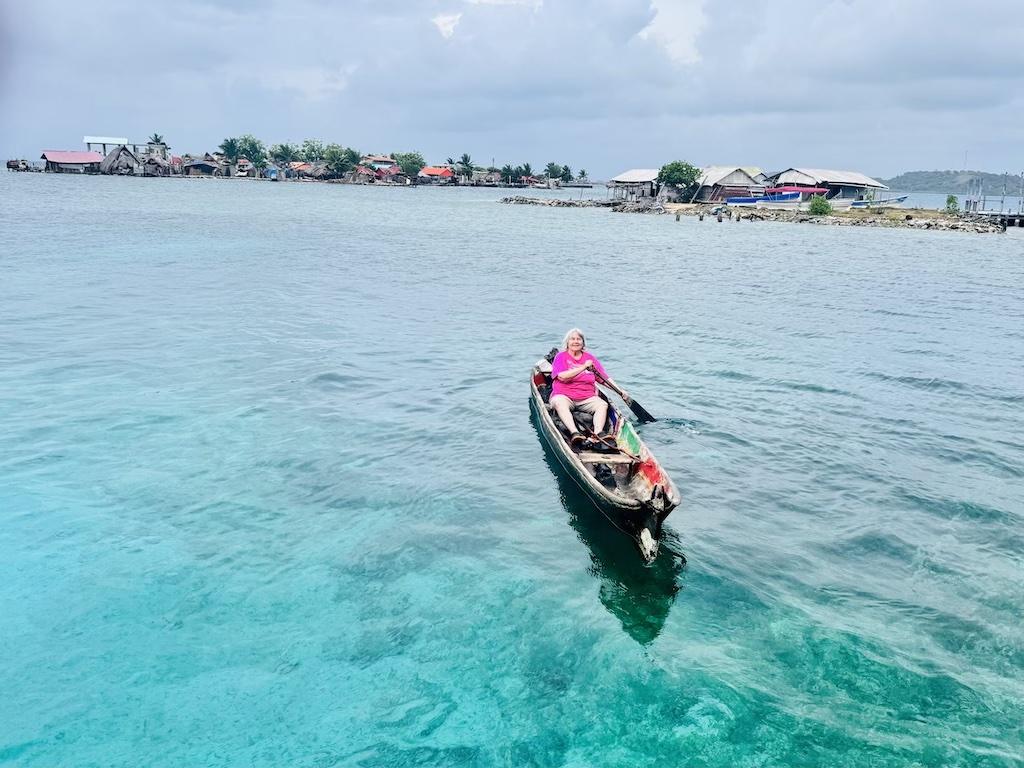
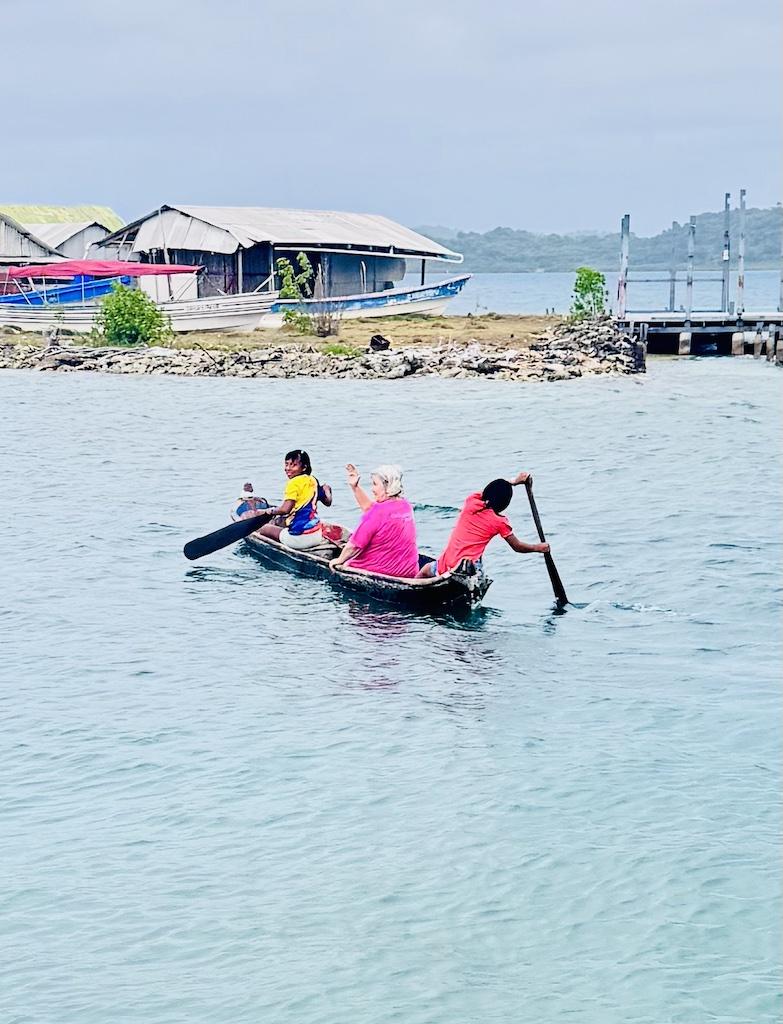
I asked Mr. G. if I could paddle one of the traditional boats made from a hollowed tree trunk, called a cayuco. I wanted to see how my canoe paddling skills translated to these simple boats. Mr. G. asked two young girls who were paddling a cayuco over from a neighboring island to pick up their older sister from school if I could try it out. Mr. G got them ice cream while I paddled the cayuco. It is very heavy so I imagined the strength needed to paddle long distances. The stability, however, is great for fishing and hauling goods.
The grade school girls hung around the bar/restaurant after I finished paddling. They said they were learning English in school, so I practiced my nascent Spanish words by quizzing them on the English word equivalent. It was a wonderful way to connect.
The next afternoon, the girls decided they wanted to be the tour guides, so they paddled me in their cayuco over to their home island. For a 4th and 5th grader, they were accomplished paddlers. They showed me their school and home on a tour of their island. On the paddle back, it was clear they knew the English word for ice cream! Therefore, I bought a round of ice cream for everyone when we returned to Wichub Wala.
Day Two of the Tour
On day two, we started a little late because of a dramatic rainstorm that swept through my room. Eventually, everything dried out, and we took the boat across to the community cemetery. We landed on a large vegetation-covered island near the river where people come to get freshwater. Locals were collecting water and harvesting mangos on this big island.
Each local family has a cemetery plot on this island. The people are buried in a hammock seven feet underground. The posts from the hammock extend above the grave. A roof is built over each family cemetery plot because of the belief that the spirits still live under the house. It was a great honor to see the many ways the Guna people respected their ancestors.
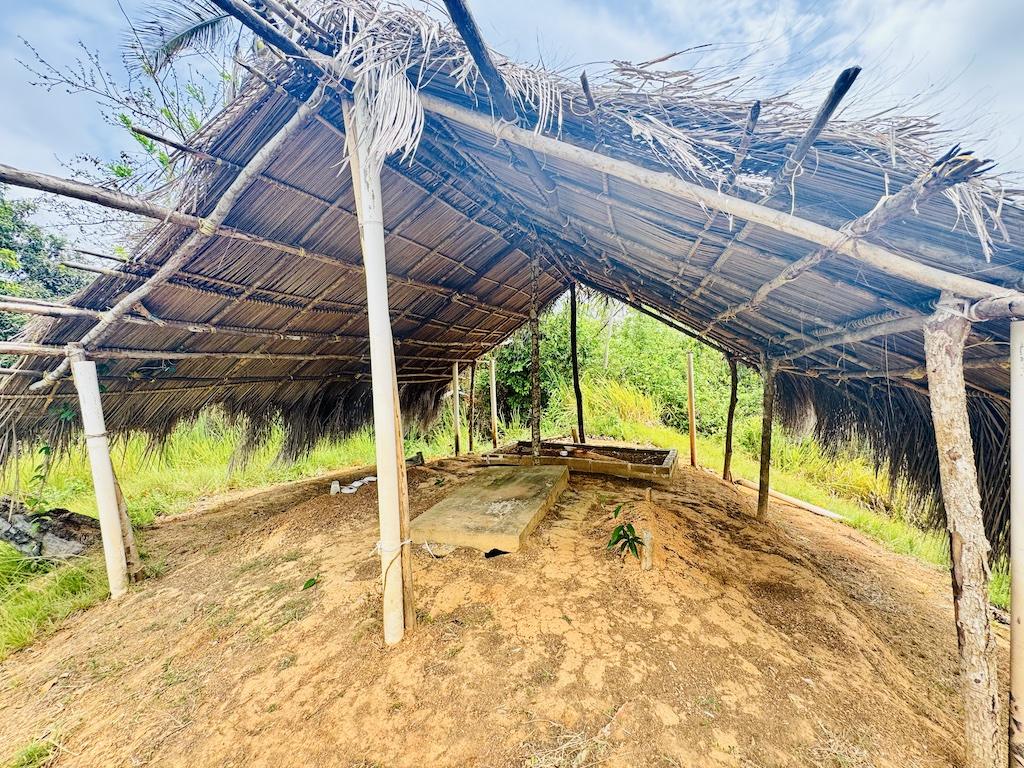
The huge island is not habitable because of the bugs. Mr. G says there are too many mosquitoes to live there. That’s why the Guna live on the small, sparse islands, because the wind pushes the bugs off. There is little vegetation on the small islands to create a mosquito population.
Day Three of the Tour
Mr. G was on his way early to pick up other guests for the day. I waited back on the island and had breakfast with Víctor‘s dad. He spoke some English, and between that and my little bit of Duolingo Spanish, we had a very nice conversation. He told me about his time in the States on a Christian mission. He is a very kind and sweet man with a delightful energy about him. His wife is just as lovely.
We ate the traditional breakfast again of fresh-baked bread and fried eggs. There was a piece of cheese today, so I made an egg and cheese sandwich. We finished with the traditional sweet drink of boiled banana. It was like a hot smoothie with a deep banana taste and banana pulp.
Soon, Mr. G was back to pick me up to join a group of travelers headed for the tourist islands. I enjoyed meeting the new visitors from Italy, England, and Poland over a fish lunch before we embarked for the other islands. I was happy I had a cultural immersion before visiting the bustling islands packed with tourists. The difference between experiences was striking, and I’m thrilled I didn’t miss the chance to experience a true sense of place in Guna Yala.
Related post-> The Best E-Biking in Panama
Is a Cultural Tour of the San Blas Islands for Everyone?
A culturally focused tour is for people interested in the authentic, ordinary life on the islands. You interact with the islanders as they work, go to school, relax, and socialize in their home communities. The other islands you visit are tourist islands where Guna people do not live; they work to provide food, drinks, and accommodation for visitors.
This kind of trip may not be for everyone, but if you are a person who likes adventure and gaining a local sense of the places you visit, then the trip is for you. It is for travelers who like to live simply and enjoy a rustic experience. On my trip, I experienced a little of both by staying two days and nights on a true cultural adventure and then half a day doing the usual San Blas tour of sunny beaches with the beach bar and Caribbean music. In many ways, a visit to a tourist island is lovely, but it lacks the legitimacy of the traditional villages.
Rustic life on the San Blas Islands
Rustic life started with a thick palm leaf-roofed house that kept the hot sun from broiling the rooms. I had a room facing the ocean with a comfy bed and a hammock for relaxing.
The bathroom was like a glorified outhouse. A porcelain toilet flushes directly into the ocean. All the bathrooms on the islands are built to hang out over the ocean to flush things down. The shower is much like a Japanese spa, a big bucket of water with a coconut shell to pour it over you. It was like camping, but very nice.
Trash is a dilemma on the islands; therefore, you will see more of it than on a tourist island. Life slows down, so curiosity can take over to understand how fellow humans live differently from you.
Logistics of a Cultural Tour of the San Blas Islands
Tours leave from Panama City. I was staying at Greg’s Place in Albrook, and a driver picked me up there. The pickup was at 4:45 am. We picked up a few more people, which took about an hour as they were scattered all over the city. Once all the seats in the 4×4 were filled, we headed to the islands. It was about a 4-hour drive. We had a 15-minute stop to eat breakfast, buy snacks, and water. I brought a gallon of water, which was enough for 3 days. Even though you can buy water bottles on the islands, it is more environmentally friendly to use a refillable water bottle.
The road is up and down and winding, but the surface is all paved, so it’s pretty smooth sailing. If you’re subject to car sickness, this is the time to get it. The jungle scenery is splendid. At one point, we stopped to watch a sloth in a roadside tree.
After going through several checkpoints for the driver to pay the entrance fees, we arrived at the port. The fees to use the Guna lands are in addition to the trip cost. I paid the driver $22 for these taxes, which help the Guna people support their land. The port appears chaotic with groups of people spread out along the waterfront. However, the driver pointed me to a place to wait, and my guide found me there.
Useful Gear for the San Blas Islands
While it is advisable to pack light, there are a couple of pieces of gear that will make your stay more comfortable.
The islands can get very hot and humid, especially when the breeze dies down. Therefore, I recommend a personal portable fan to keep cool. The InoKraft Hands‑free fan has the power to beat the heat on the most steamy days. It’s easy to snap in a new rechargeable battery to keep it going.
Related Post -> Do You Need a Trail Fan for Hiking and Camping?
A sturdy sun hat is absolutely necessary for sun protection. I like the sun hats made by Outdoor Research as they are durable and also good-looking. The adjustable cord will keep it on in the wind.
I carry a big pack towel on all tropical trips. Not only is it a quick-dry towel, but it can also serve as a beach blanket, a sarong, or a sun covering.
A phone case will keep your phone protected from sea water and showers. I prefer a waterproof case that stays on all the time, instead of the plastic sleeve cases you need to take your phone out of to take good photos. I use the Beeasy phone case. Not only is it waterproof, it’s bombproof if you drop you phone. Use the coupon code ODAS for 10% off.
Related Post -> Best Phone Cases for Outdoor Adventure
I brought my own snorkeling gear, although many guides have it available. Check if you plan to snorkel.
Communicating in Panama
Finally, WhatsApp is the communication of choice in Panama. As a solo traveler, communication through WhatsApp is critical. It’s the best way to set up tours, transportation, and reservations. Therefore, to have access to data, an e-SIM on your phone is the answer. I found that Ovosim has the best prices and coverage for Panama. It was simple to install, and the coverage was reliable in all areas of Panama. The island I stayed on had strong reception to use the e-SIM data.
Accommodations in Panama City
You will need to stay in Panama City the night before and after your San Blas Islands cultural tour. Here are my favorite accommodations in Panama City.
If you want to see amazing birds and wildlife in an urban setting, then a stay at Greg’s Place is for you. The informative host, Greg, attracts some of Panama’s best wild creatures to his jungle-like backyard. I saw many hummingbirds, coatimundis, agoutis, and colorful birds when I stayed. The rooms are charming and comfortable with great air conditioning. Greg’s Place is a wonderful homestay for meeting interesting people and animals. It’s for those who want something besides a traditional hotel stay.
Greg was kind enough to store my luggage during my San Blas Islands trip so I could travel lightly.
The Oasis Hotel is my favorite hotel in Casco Antiguo, the heart of the old town. It is so convenient to the old town sites and amazing restaurants. There is a rooftop bar atop the hotel that you don’t want to miss for the panoramic views of the entire city. The old-world charm of the suites, the location, and the reasonable price make this a perfect place to stay.
Wrap Up of a Cultural Tour of the San Blas Islands
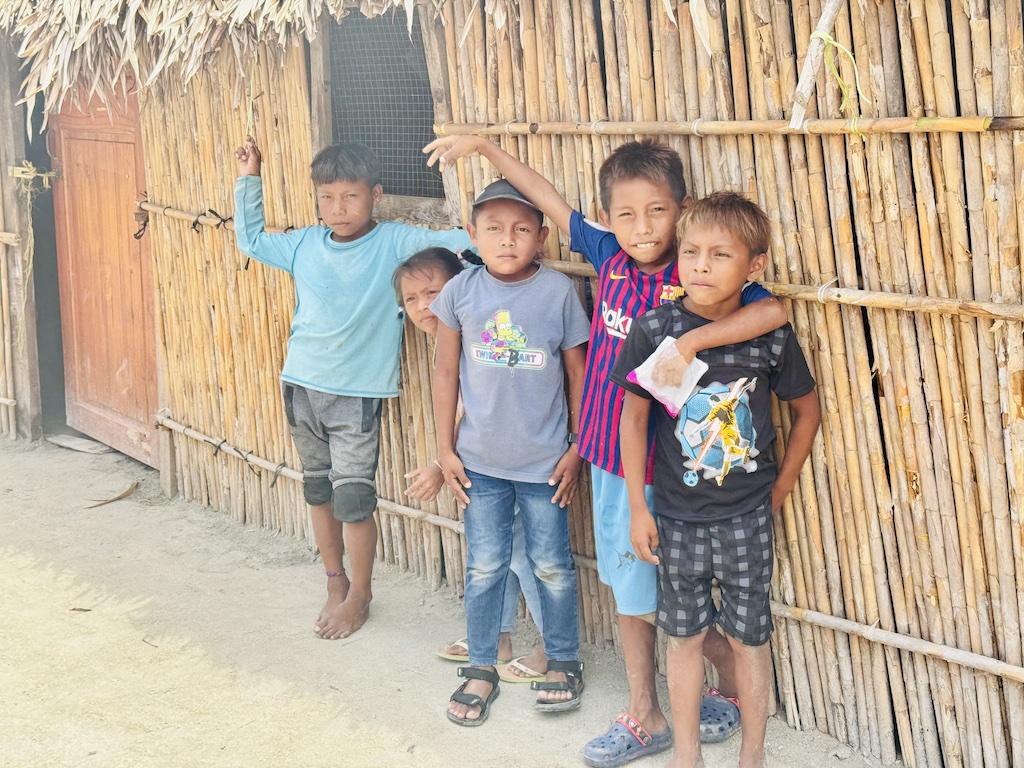
As I’ve detailed in this post, there are many ways to visit the San Blas Islands. The option of a cultural tour is for people who want something off the typical tourist path by having an immersion in the everyday life of the Guna people. It’s not for everyone, but if it sounds right for you, contact Victor Perez to arrange your tour. Victor can be reached through Instagram at @localinpty or by WhatsApp at +507 61187621.
Pin it for later!
5 Comments
Sharyn · June 25, 2026 at 5:47 am
I sailed through the Panama canal and only had a day to spend in Panama city. I wish I add more time to spend in Panama as these island look gorgeous.
Tal · June 25, 2026 at 6:40 am
I love how this highlights the cultural side of San Blas. The scenery looks beautiful too!
McKenna · June 25, 2026 at 11:15 pm
What a neat trip. I loved the story about the girls paddling you and getting ice cream! The flag is fascinating. I’ve never had a deep dive into a culture quite like this, but you have inspired me to seek one out.
Agnes · June 26, 2026 at 9:37 am
This is exactly the kind of travel experience I enjoy reading about. Spending time with the local community and learning about their culture gives you a much deeper understanding of a place than a quick day trip ever could. The San Blas Islands look absolutely beautiful, and your cultural tour sounds like a memorable way to experience them.
Anna · June 26, 2026 at 11:15 am
This cultural tour sounds like an incredible way to experience the San Blas Islands! Paddling a native canoe and learning about the Guna Yala people must be truly unforgettable. Thank you for sharing your experience!